
Choosing Smart Toys for Meaningful Play
Choosing Smart Toys for Meaningful Play
A smart toy is one that thoughtfully fits the child, encourages active participation, and leaves room for curiosity.
Play Ideas · August 23, 2026
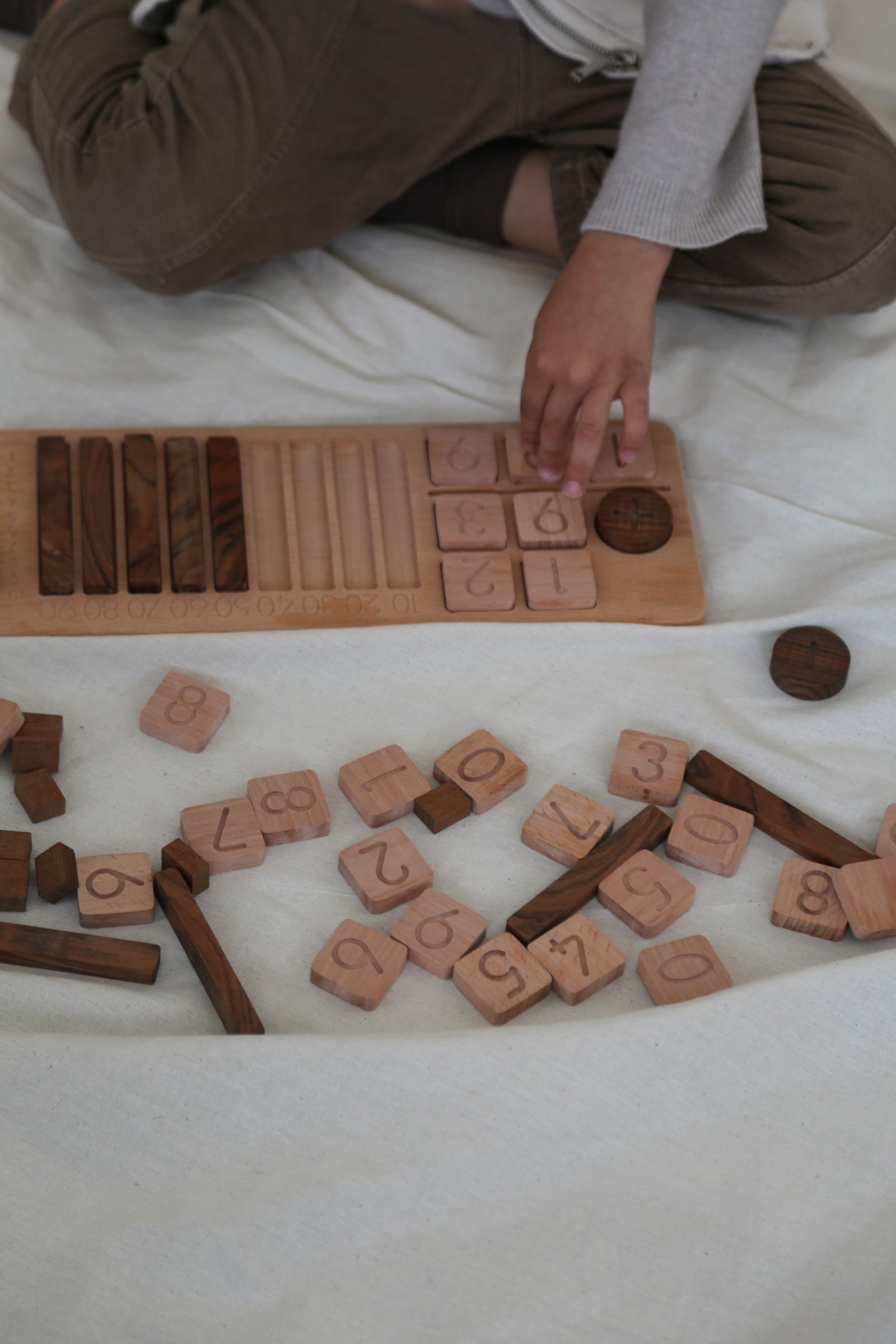
Fit the Child
Invite Action
Grow with Play
Check Details
Ideas for meaningful play
Simple starting points can open the door to creativity, connection, and discovery.
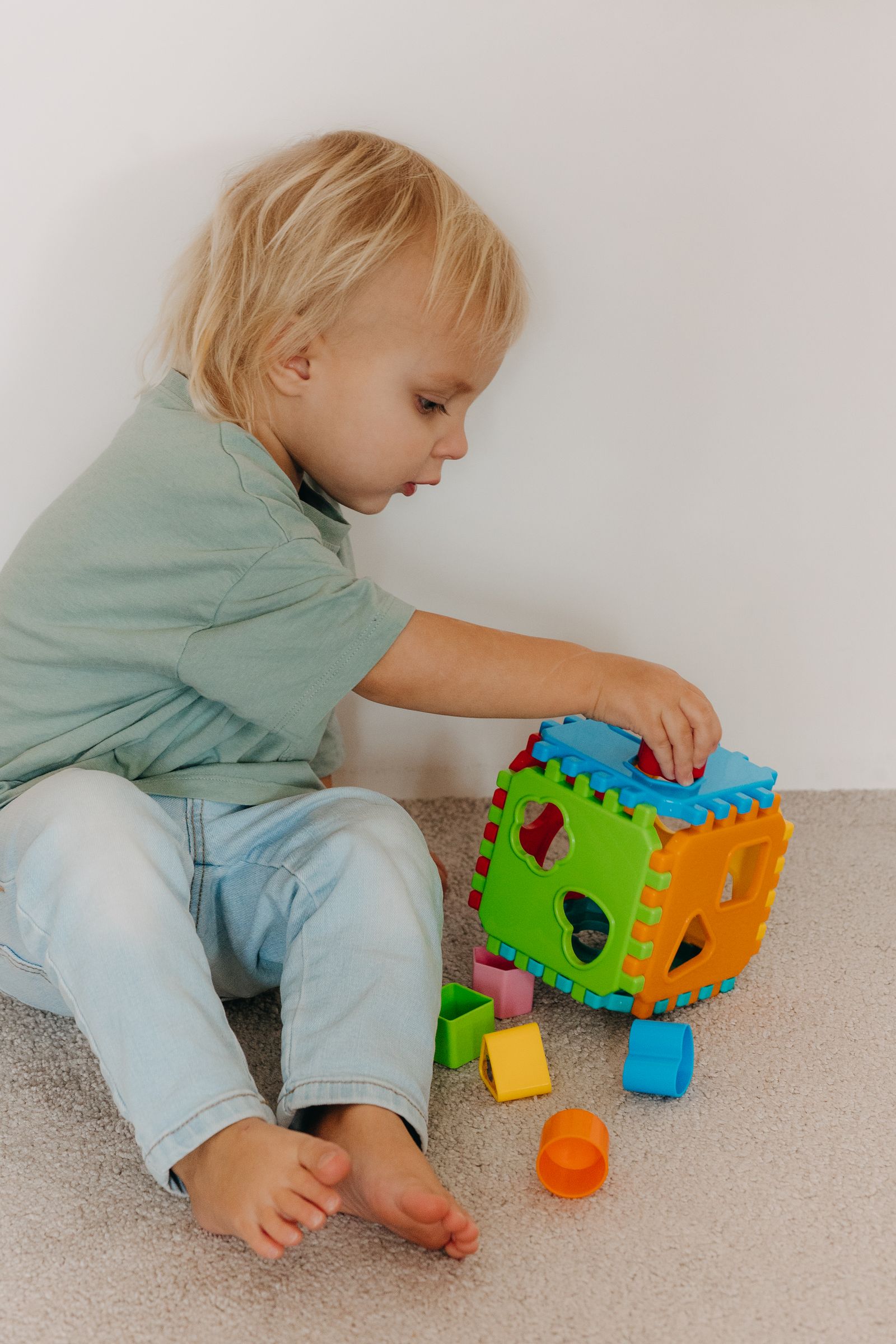
Begin with the Child
Age guidance is an important starting point, but children of the same age can have different interests, abilities, and play styles.
- Do they enjoy building and arranging?
- Do they create characters and stories?
- Are they interested in colors, numbers, patterns, or movement?
- Do they prefer independent or shared play?
- Do they return to open-ended activities?
A thoughtful choice begins with noticing what naturally holds the child’s attention.
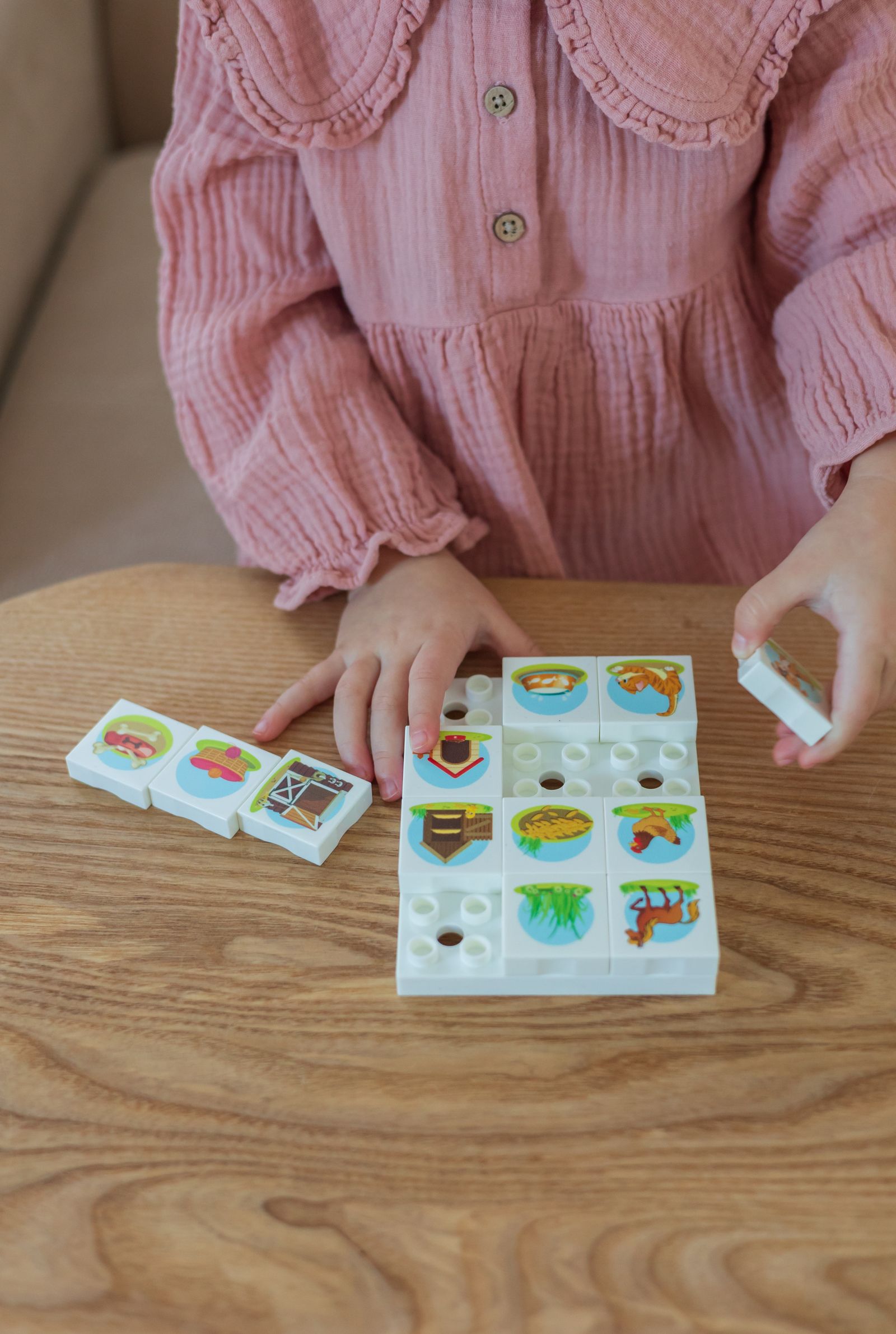
Look for Active Participation
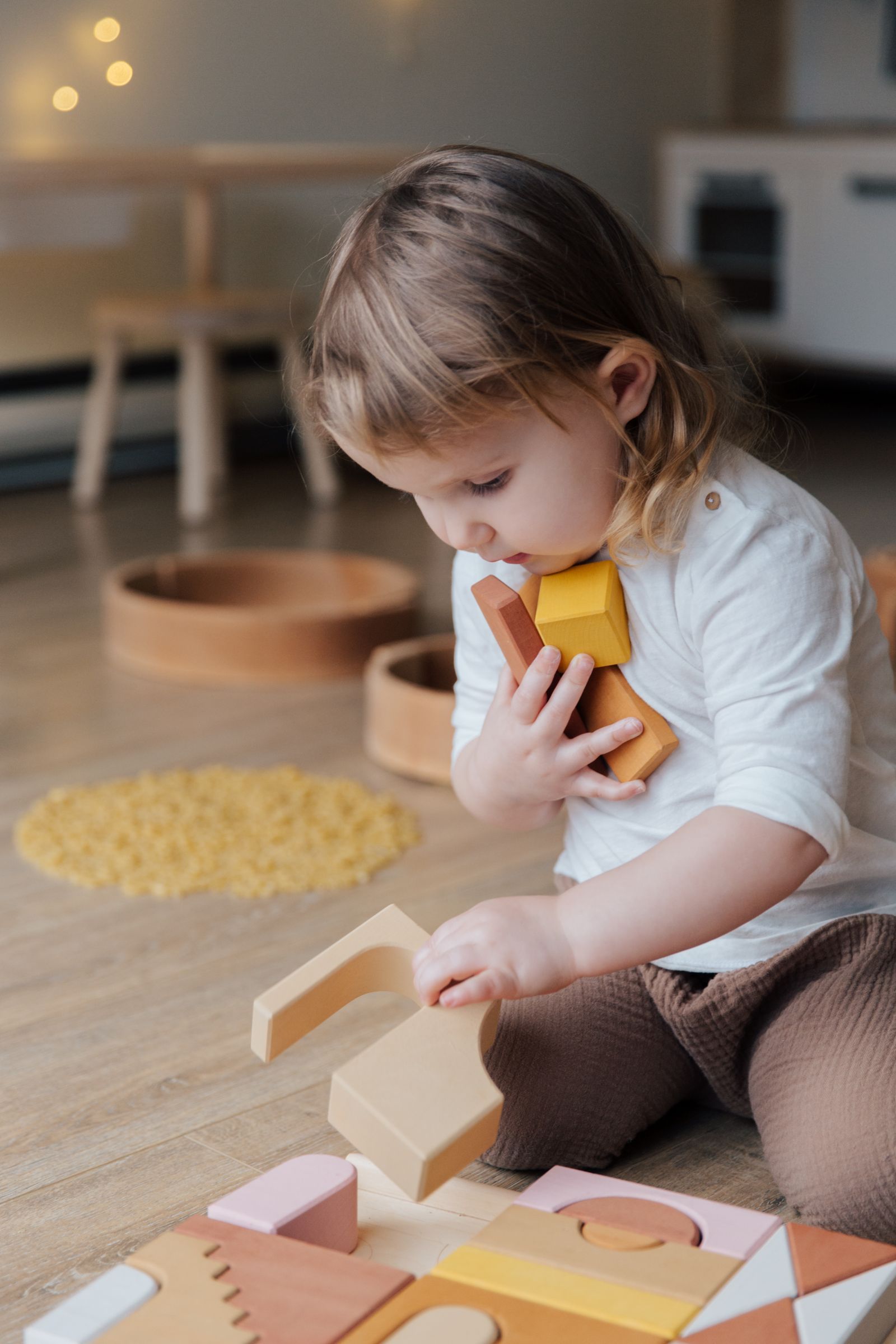
Meaningful play usually asks the child to do more than watch. They might stack, sort, match, imagine, design, move, solve, tell a story, make a choice, or collaborate.
Open-ended toys can be flexible because the same pieces may become a tower today, a pattern tomorrow, and part of a pretend story later.
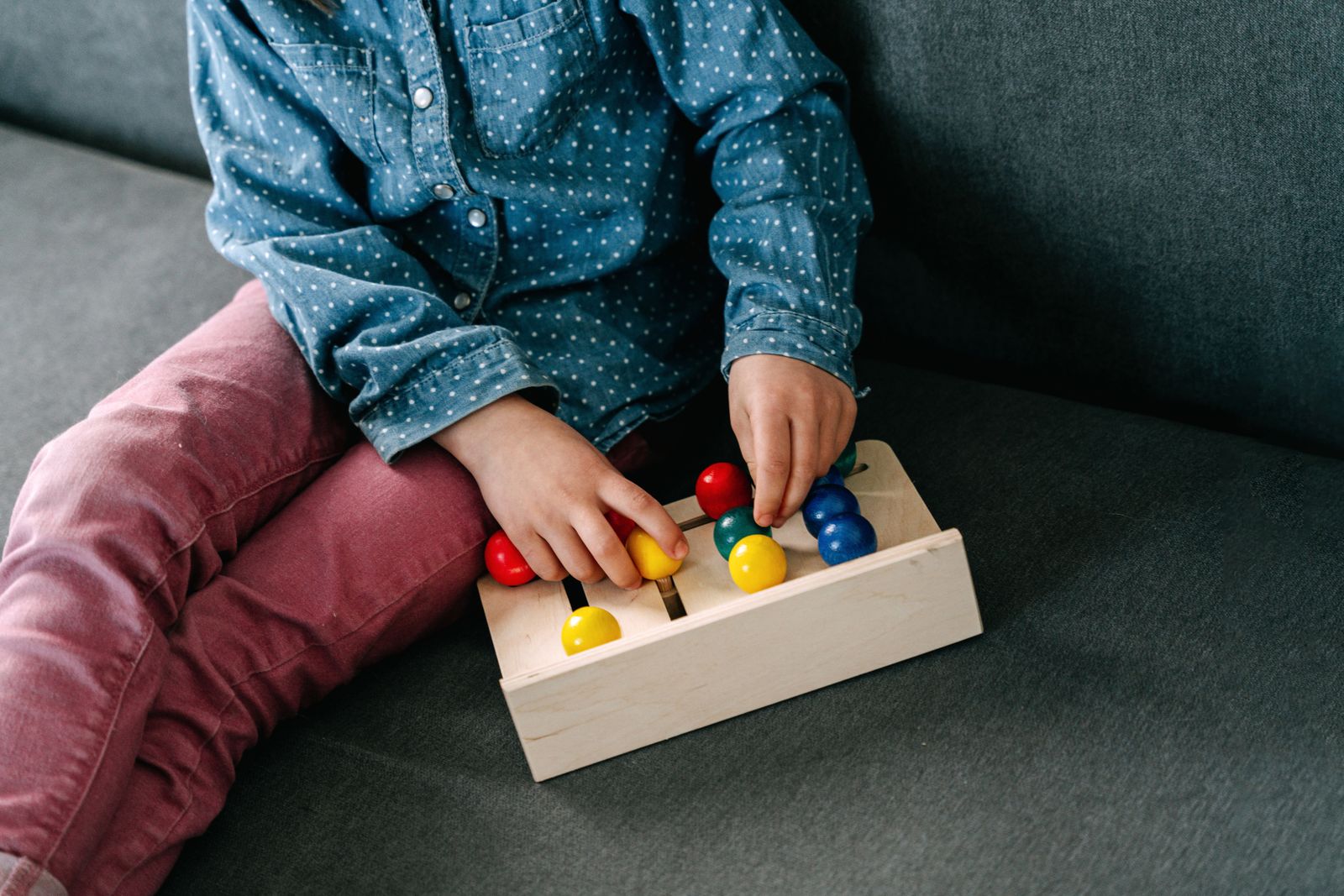
Consider More Than One Way to Play
Imagine how the toy might be used after the first introduction. Can the challenge change as the child becomes familiar with it? Can it support storytelling, sorting, building, or cooperative play?
A toy does not need to do everything. Even one clear play experience can be meaningful when it is engaging and well suited to the child.
Look for room to choose, experiment, and imagine rather than a long list of features.
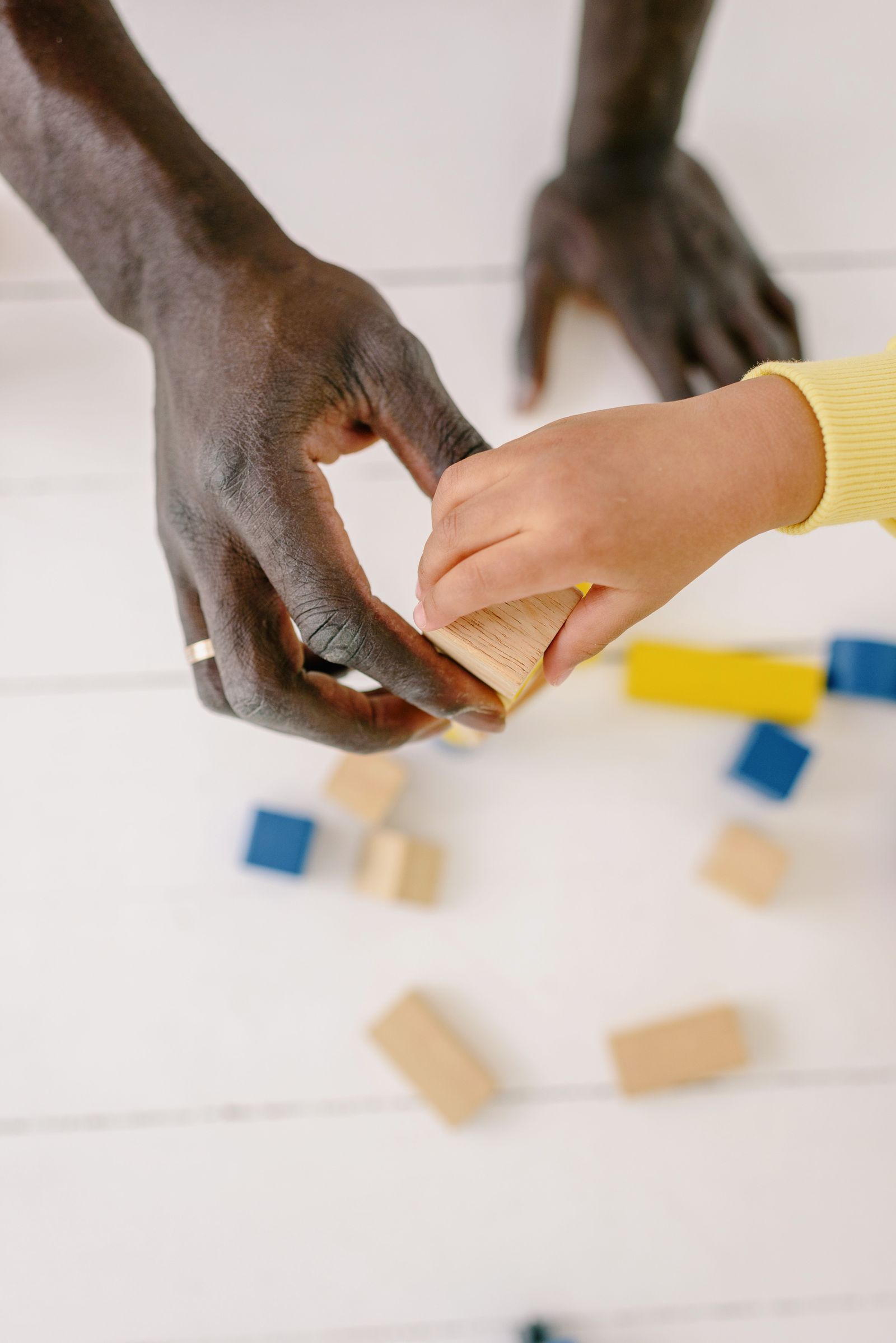
Think About Shared Moments
A grown-up might join a building project, ask questions during a puzzle, take a role in an imaginary story, or participate in a family game.
Shared play can create opportunities to listen, take turns, exchange ideas, and enjoy time together. Adults do not need to direct every activity; sometimes the most helpful role is to observe and follow the child’s lead.
Review the Practical and Safety Details
Before purchasing, review the current product listing carefully:
- Recommended age guidance
- Included pieces and dimensions
- Materials and care directions
- Assembly information
- Warnings and supervision guidance
- Current availability
Follow all supplied warnings and instructions. Inspect toys before play and stop using anything damaged, loose, cracked, incomplete, or otherwise unsuitable.
No toy guarantees an outcome. The smartest choice fits the child now while leaving space for what they may imagine next.
Choose for the child, not for the feature list.
Meaningful play does not need to look impressive. It can be quiet, repetitive, imaginative, collaborative, or completely unexpected.