
How Puzzles Build Problem-Solving Skills
How Puzzles Build Problem-Solving Skills
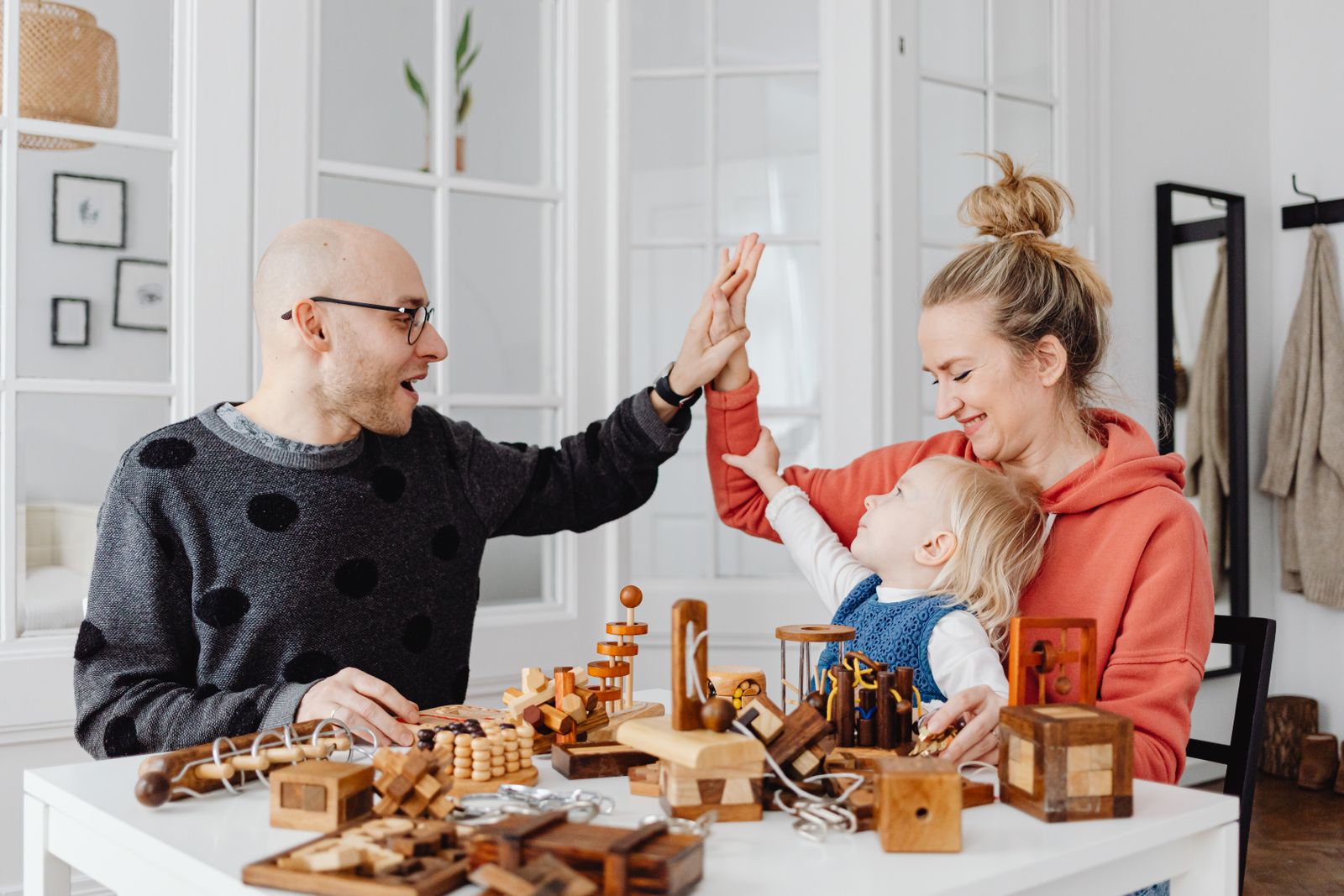
Puzzles turn quiet play into active discovery. Every piece invites children to observe, test an idea, adjust their approach, and try again.
Play Ideas · August 23, 2026
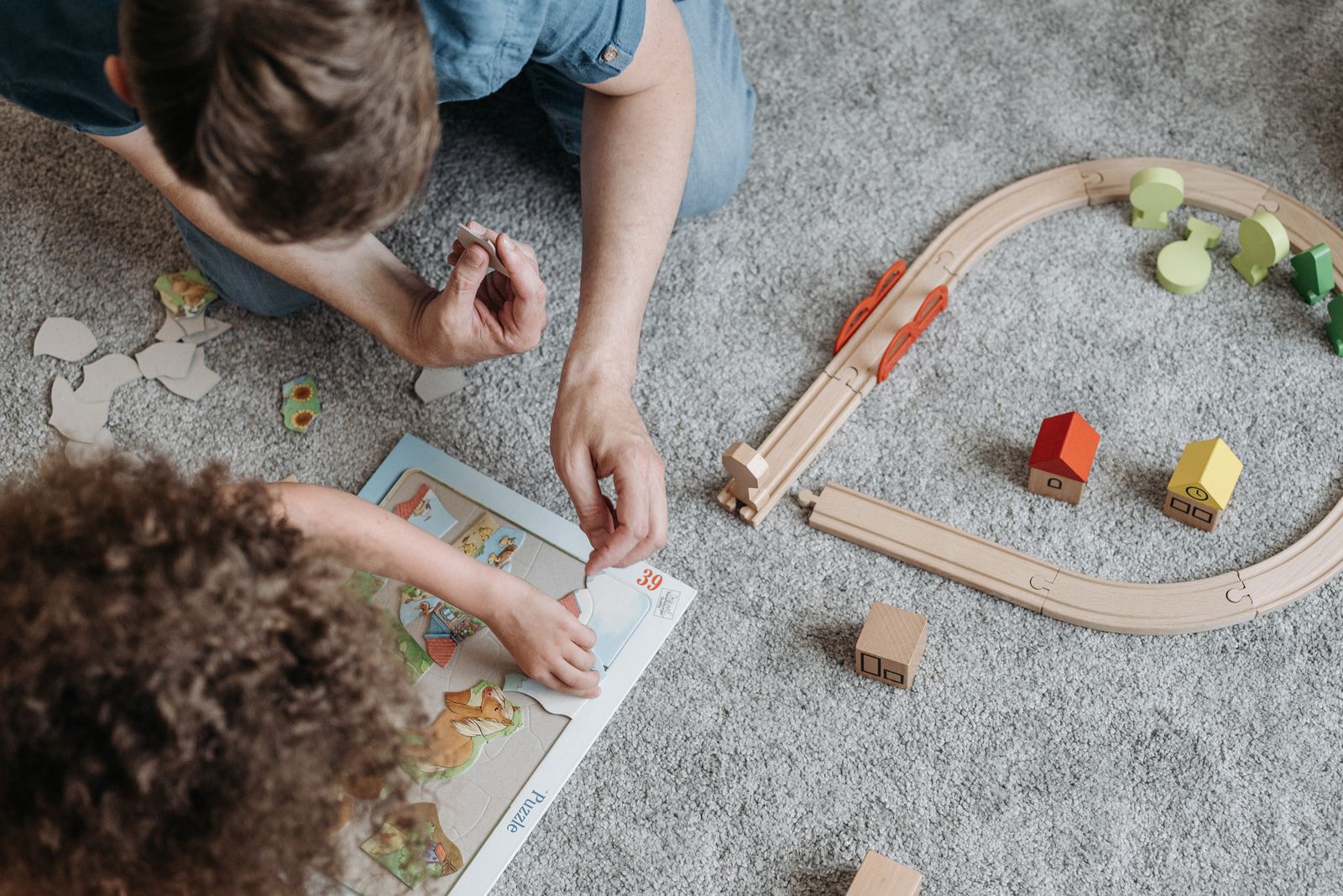
Observe
Notice shapes, colors, patterns, edges, and the relationships between pieces.
Experiment
Test an idea, rotate a piece, compare possibilities, and learn from each attempt.
Adapt
Break a challenge into smaller steps and choose a new strategy when needed.
The thinking inside play
Whether fitting shapes into a board or arranging a more complex picture, each attempt invites a child to look, think, and discover.
Learning to Look Closely
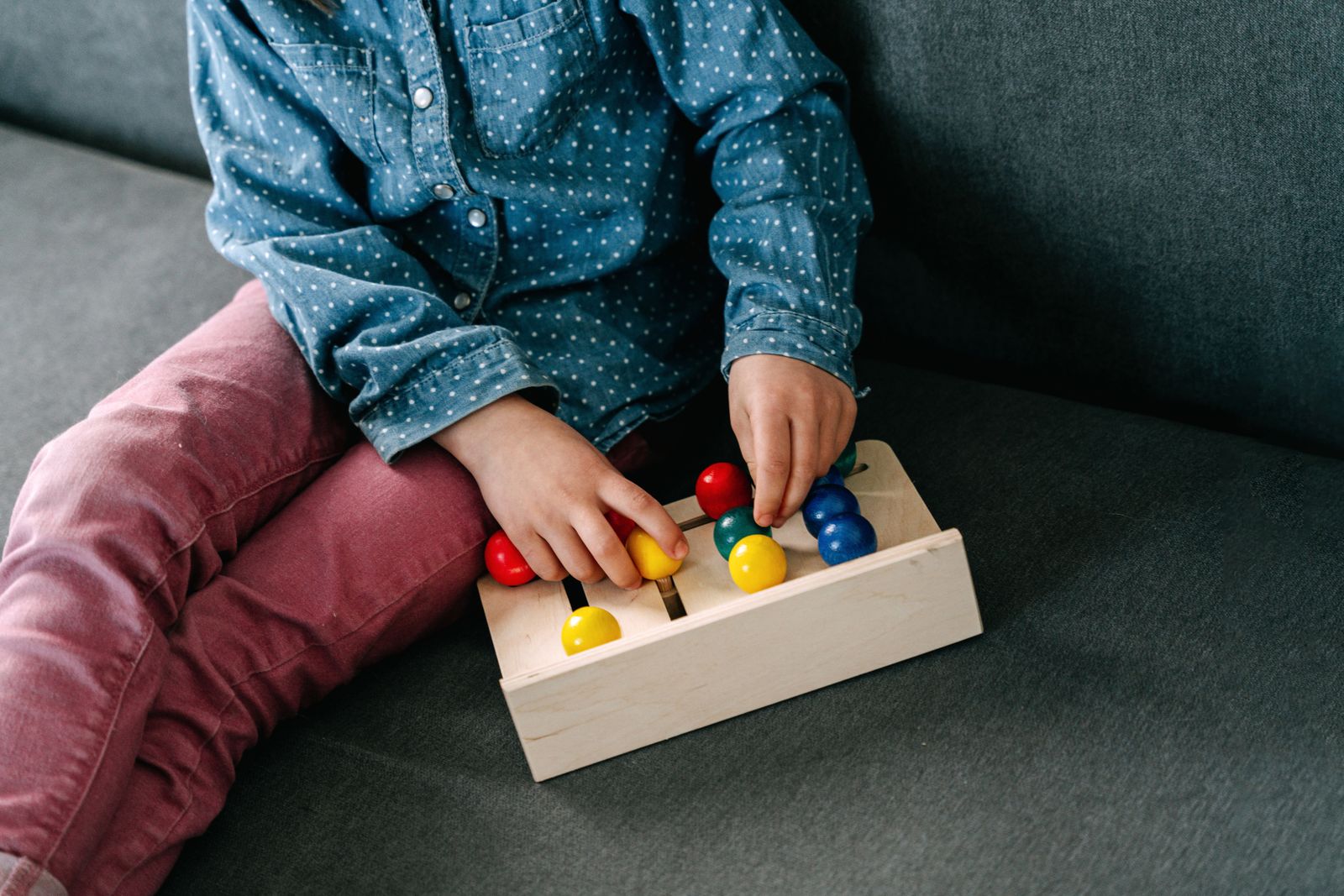
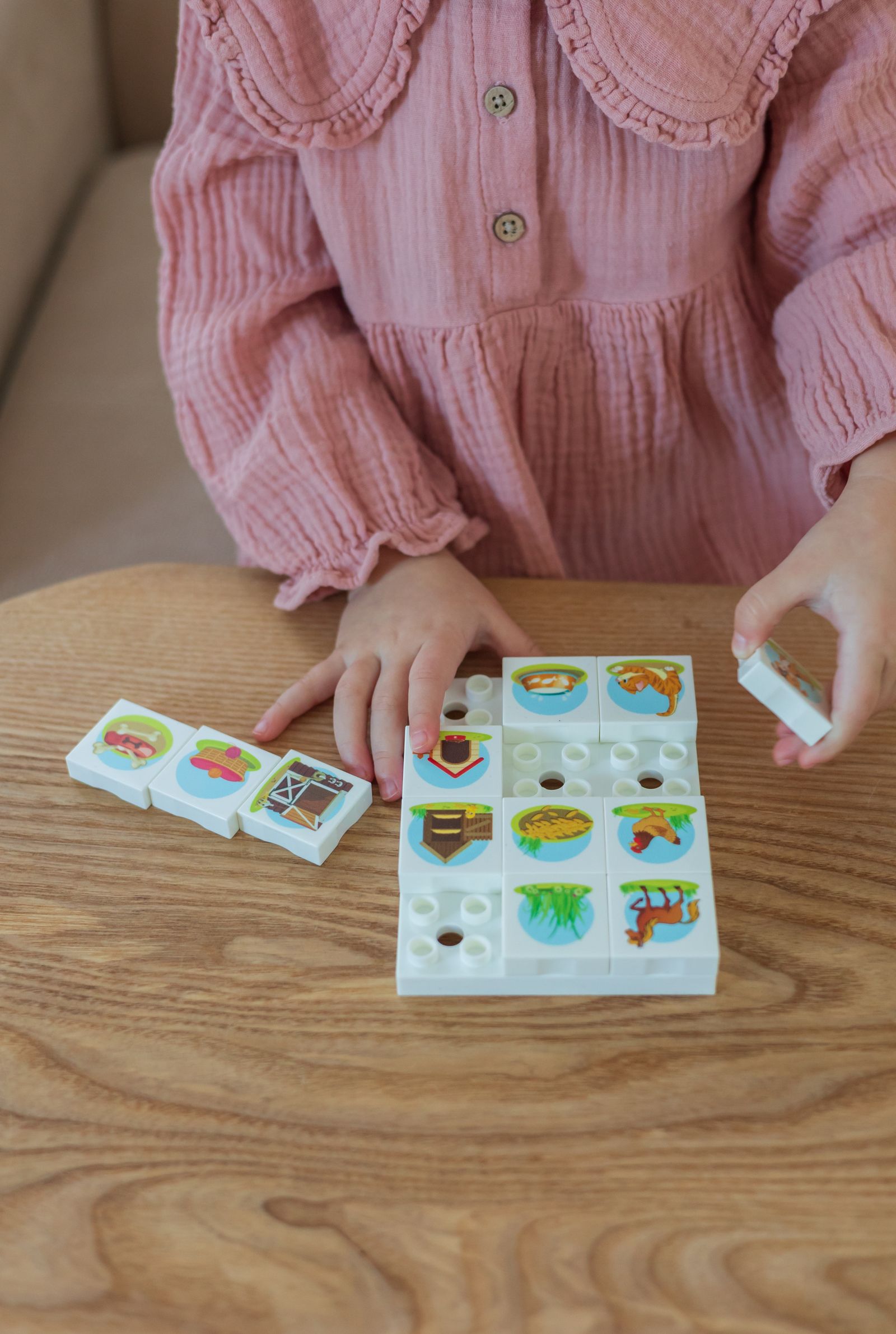
Before placing a piece, children often study its shape, color, size, or pattern. They compare what they are holding with the spaces in front of them and begin noticing small differences.
A round edge may belong on the outside. Two colors might connect. A familiar shape may need to be turned before it fits. These observations help children practice paying attention to useful details.
- “What do you notice about this piece?”
- “Where else could it fit?”
- “What might happen if you turn it around?”
- “Which pieces look similar?”
Open questions encourage thinking without taking over the challenge.
Trying, Adjusting, and Trying Again
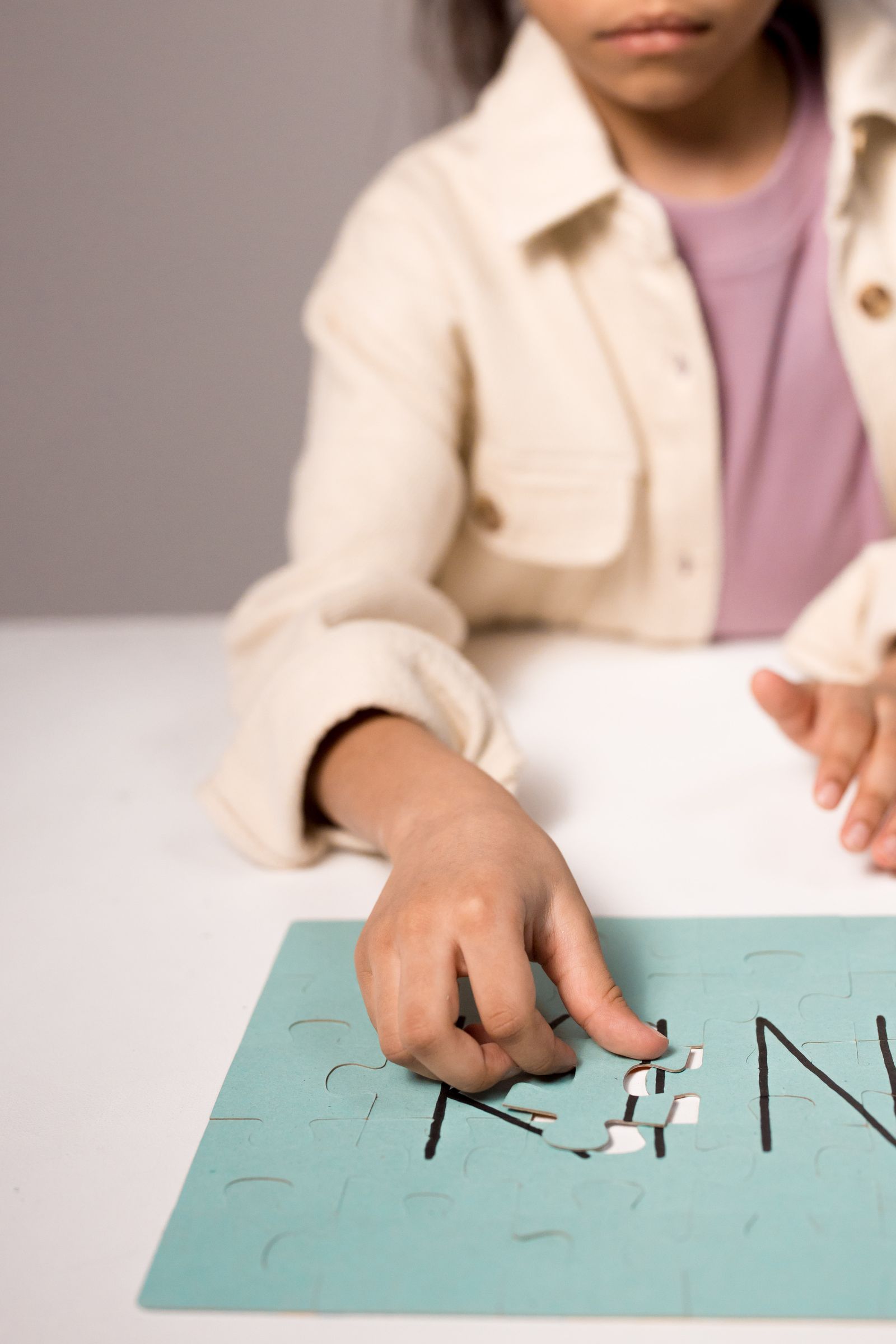
A puzzle piece does not always fit on the first attempt, and that is part of the experience. Children learn that an unsuccessful attempt can provide helpful information.
They may rotate a piece, choose a different space, sort pieces into groups, or change their strategy completely. This cycle introduces an important problem-solving habit: when one approach does not work, another approach may.
Mistakes can become useful clues rather than something to avoid.
Breaking a Challenge into Smaller Steps
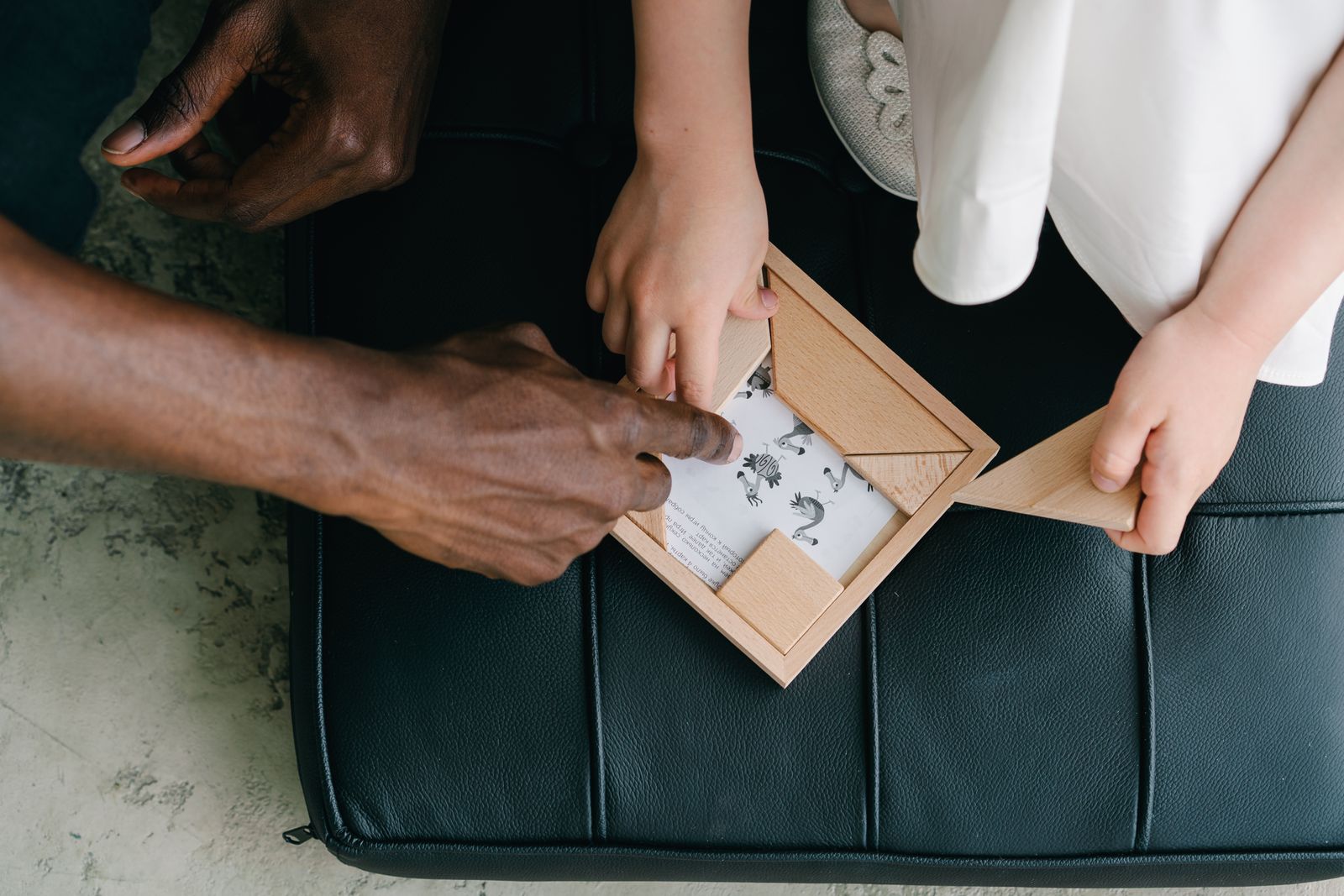
A complete puzzle can initially feel like one large problem. Over time, children may begin dividing it into manageable parts.
They might start with the corners, collect pieces of the same color, complete one character at a time, or build the border before working toward the middle. This kind of planning can make a complicated task feel more approachable.
Start with one part, notice what changes, and then decide what to do next.
Supporting Patience and Confidence
Puzzles invite children to stay with an idea. Some days they may complete one quickly; on other days they may need a break or a little encouragement.
Instead of focusing only on completion, notice the strategies being used:
- “You kept turning that piece until you found the right direction.”
- “You grouped all the blue pieces together.”
- “You tried a new plan when the first one did not work.”
Recognizing the process helps children see themselves as capable thinkers.
Choosing an Appropriate Puzzle
The most engaging puzzle is not necessarily the one with the most pieces. Look for a challenge that suits the child’s age guidance, abilities, interests, and current level of experience.
A puzzle should offer enough difficulty to inspire thought without making play consistently frustrating. Familiar pictures, comfortable piece sizes, and themes a child enjoys can make the experience more inviting.
Always review product-specific age recommendations and warnings. Check pieces before play, keep small components away from children for whom they are unsuitable, and provide supervision as directed.
The real discovery happens in everything a child does to bring the pieces together.
One piece, one idea, one discovery at a time.
Explore thoughtful toys and educational games that invite children to observe, experiment, imagine, and enjoy the process of finding their own way forward.